
AI is often discussed in terms of speed, scale, and disruption. But some of its most meaningful impact is quieter and far more human.
Across conservation, healthcare, agriculture, and disaster response, AI is already being used to protect lives, prevent harm, and reach people faster than ever before – not by generating content, but by analyzing signals humans simply cannot process on their own.
Here are five AI breakthroughs making a real difference right now.
1. Stopping Poachers Before They Strike
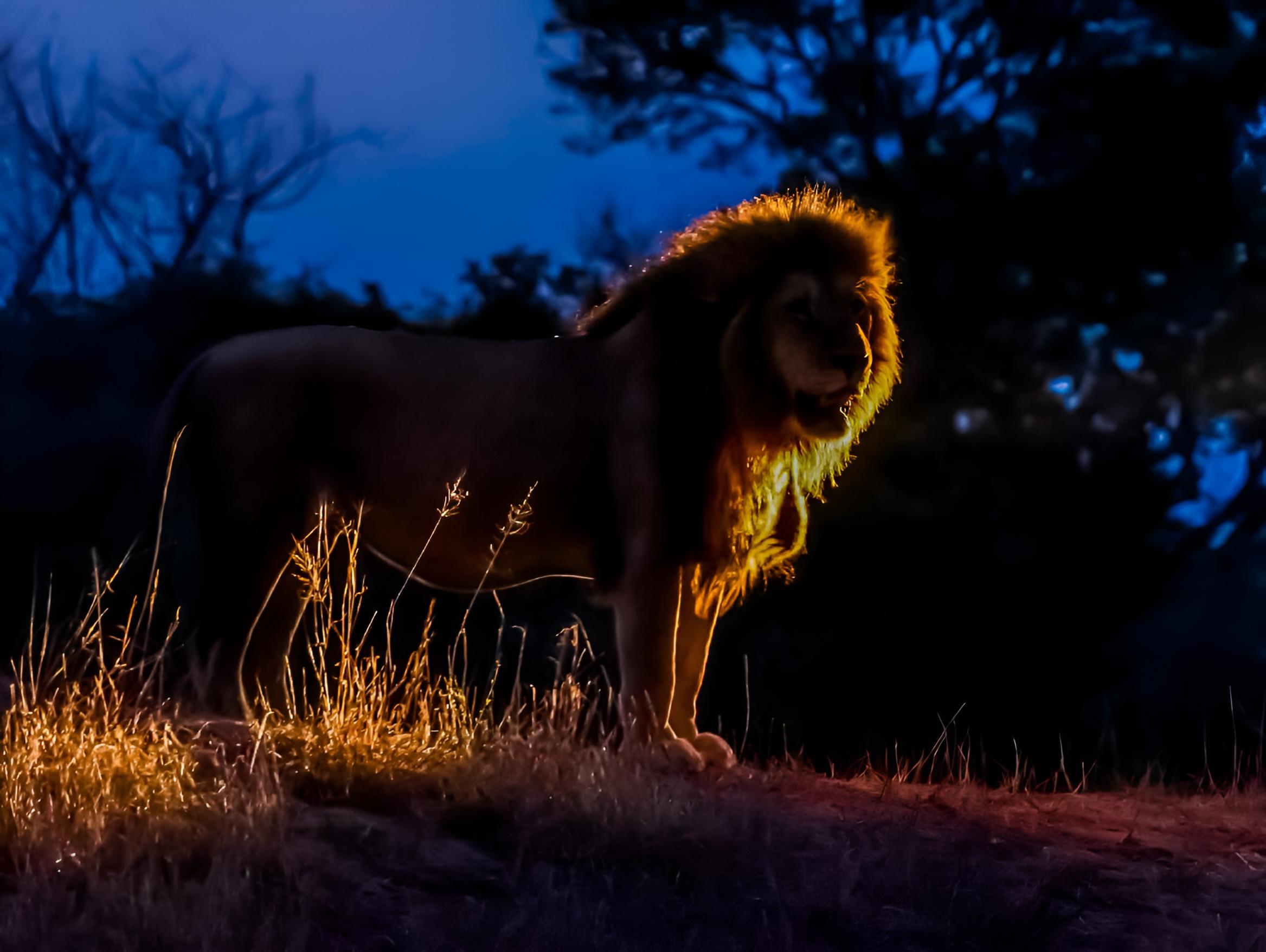
Protecting endangered species has always been a race against time. Today, AI is helping conservation teams get ahead of threats before irreversible damage is done.
AI systems now process massive audio and video datasets from protected areas to detect the sounds and movements associated with poaching in real time. When a threat is identified, rangers receive immediate alerts, allowing them to respond before animals are harmed. AI-powered thermal cameras extend this protection even further, identifying illegal activity in complete darkness.
Beyond physical protection, AI has also helped disrupt the online trafficking of wildlife. Since 2018, AI-driven monitoring systems have blocked more than 63 million illegal wildlife listings online, cutting off critical channels used by traffickers.
This is AI working as an early warning system for life itself.
2. Finding Crop Diseases Before Farmers Can See Them
Food security depends on early intervention, and AI is changing how farmers protect their crops.
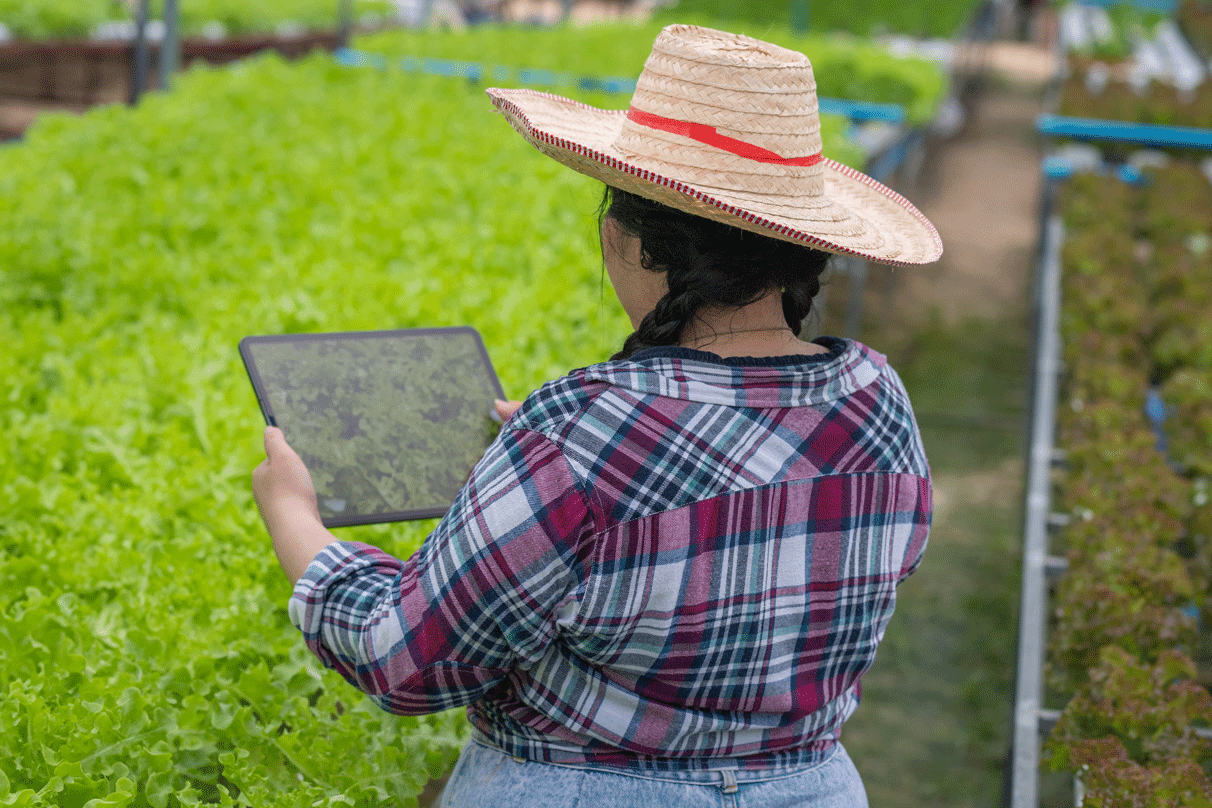
Using AI-powered drones and smartphone technology, visual matching systems can now identify plant diseases that are invisible to the naked eye. By analyzing subtle changes in color, texture, and growth patterns, AI systems flag issues long before symptoms become obvious.
This early detection allows farmers to intervene faster, reduce crop loss, and limit the need for widespread chemical treatments. In regions where livelihoods depend on a single harvest, this technology can mean the difference between stability and crisis.
3. Increasing Stroke Response Time
In stroke care, minutes matter.
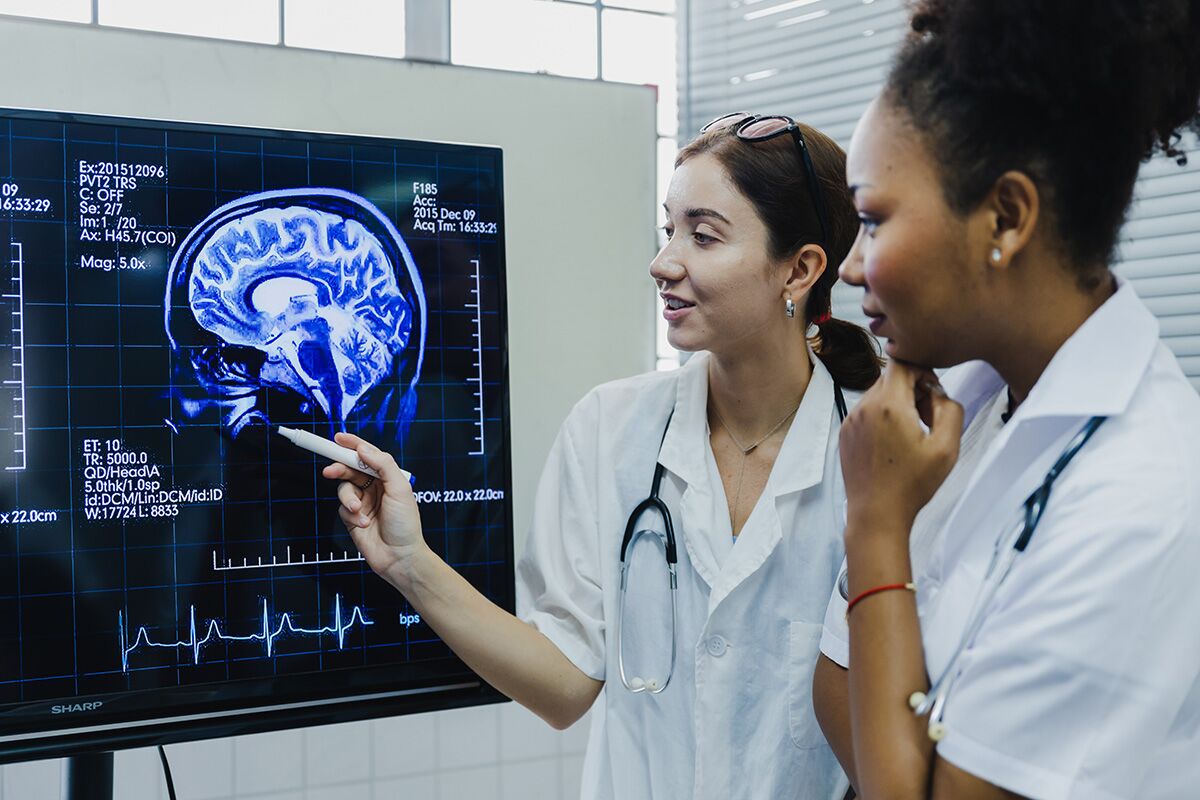
AI is now being used to analyze medical scans and identify signs of stroke risk faster than traditional workflows allow. By flagging abnormalities and alerting clinicians immediately, these AI systems help accelerate treatment decisions that can prevent permanent disability and even death.
Some systems go even further by analyzing visual and audio cues from patients and communicating critical information directly to medical professionals. This reduces delays, supports faster diagnosis, and improves outcomes when every second counts.
In this case, AI is not replacing doctors, it’s giving them time they would not otherwise have.
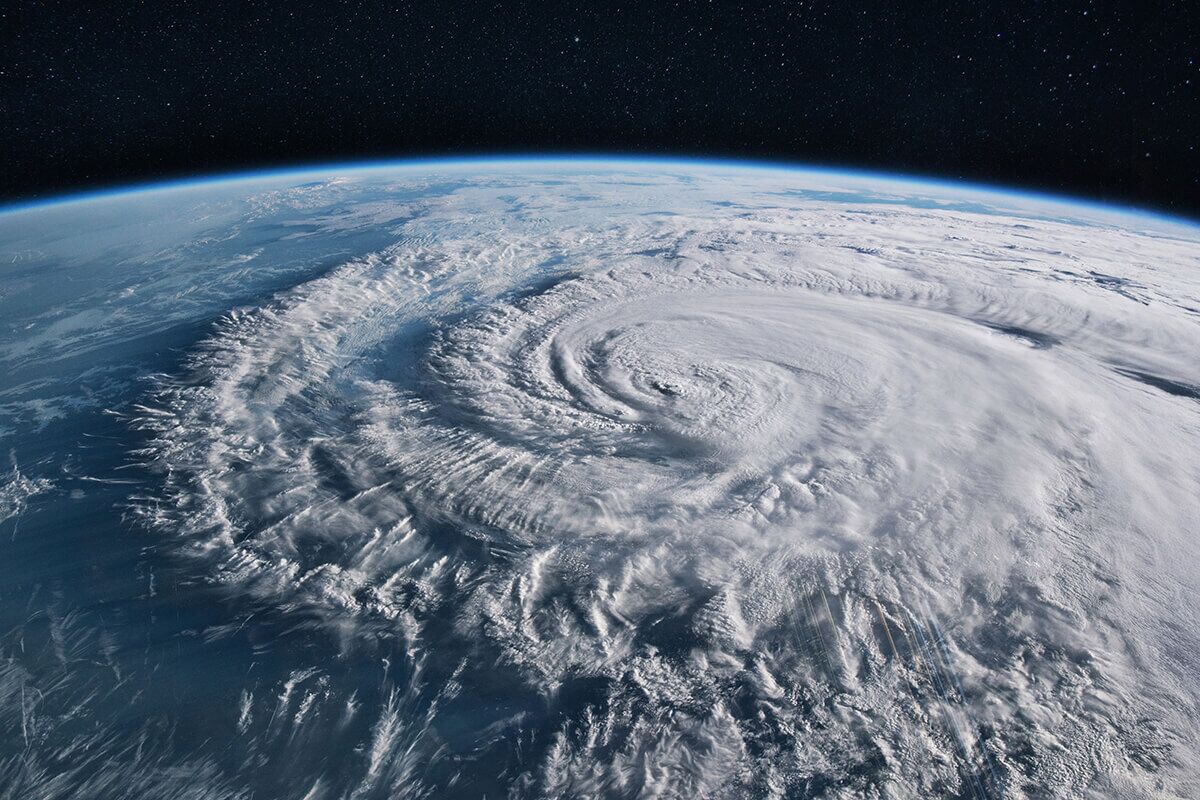
4. Predicting Natural Disasters Down to the Neighborhood
AI is also transforming how we prepare for and respond to natural disasters.
Following Hurricanes Helene and Milton in 2024, AI analyzed satellite imagery to identify storm-damaged areas with high poverty levels. This insight enabled organizations to deliver $1,000 in direct cash relief to affected families faster and more accurately than traditional methods.
Beyond response, AI is increasingly used for prediction. Instead of generating images or text, these systems generate forecasts that can save lives. Wildfires, floods, and even tsunamis can now be predicted with unprecedented precision, in some cases down to a 2.5-mile resolution.
That level of accuracy changes how communities evacuate, prepare, and survive.
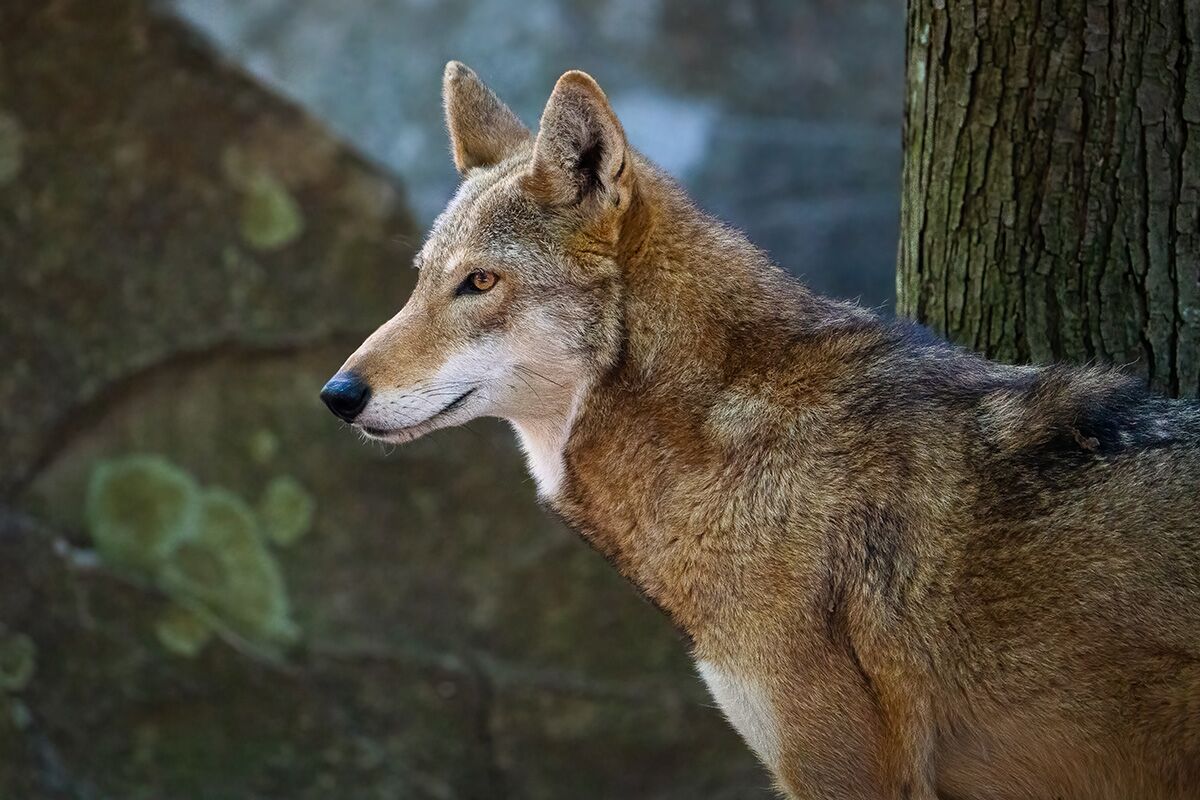
5. Saving Species We Did Not Know Were There
Some of the most powerful AI breakthroughs are helping scientists discover life we might have otherwise missed.
AI models designed for wildlife identification can analyze millions of trail camera photos automatically, eliminating years of manual review. These systems do more than recognize known animals, they predict where endangered species like red wolves and Florida panthers may be living, even in areas that have never been surveyed before.
By revealing hidden populations, these AI systems help conservationists protect habitats before it is too late.
AI’s Quiet Superpower
These breakthroughs share something important – they are not flashy, they do not generate headlines through novelty alone – they work because AI is being applied thoughtfully, with clear goals and real-world accountability.
At Vermillio, we believe this is the future of AI – not unchecked automation, but systems designed to protect people, ecosystems, and value at scale. As AI becomes more powerful, the real breakthroughs will be the ones that preserve life, build trust, and create sustainable impact.
Because the most important use cases are not about what AI can create, they are about what it can save.